
Astro Art

Astro Art

A Guide to Crafting Astrology-Themed Art

Astro Art

Embarking on a journey to create astrology-themed art opens up a world of possibilities for self-expression and creativity. Whether you’re a seasoned artist or just starting, the cosmos can serve as an abundant source of inspiration.

In this article, I’ll explore how to infuse your artwork with the magic of the stars, bringing your astrological insights to life on canvas. I’ve always like to live my life in full color. I’m not one to hang about in faded hues or 50 shades of grey. Here is a collection of all the Astro Art on my website. I hope you enjoy them.


Read more >>> Wheel of Fortune

Read more >>> Astrology Trading Cards


Connect with Astrological Concepts

Before you dive into your artistic process, take some time to immerse yourself in the rich symbolism of astrology. Explore zodiac signs, planets, houses, and astrological elements.

Consider the unique qualities associated with each astrological element—fire, earth, air, and water—and how they can be represented in your artwork.


Choose Your Medium

Astrology-themed art can take many forms, from paintings and drawings to digital art, collages, or even sculptures. Select a medium that resonates with you and allows you to express your ideas most effectively.

Watercolors might capture the ethereal nature of the stars, while digital art can provide a modern twist to traditional astrological symbolism.


Read more >>> Astro Art ABCs

Your Astrology Journal

Your astrology journal is a great place to start with astro art. There are many pages so you have lots of opportunity to do some astro art. I personally started using astro journals a few years ago and now I have a collection of full color books and grimoires with all of my astro artwork ideas.

Select Colors Mindfully

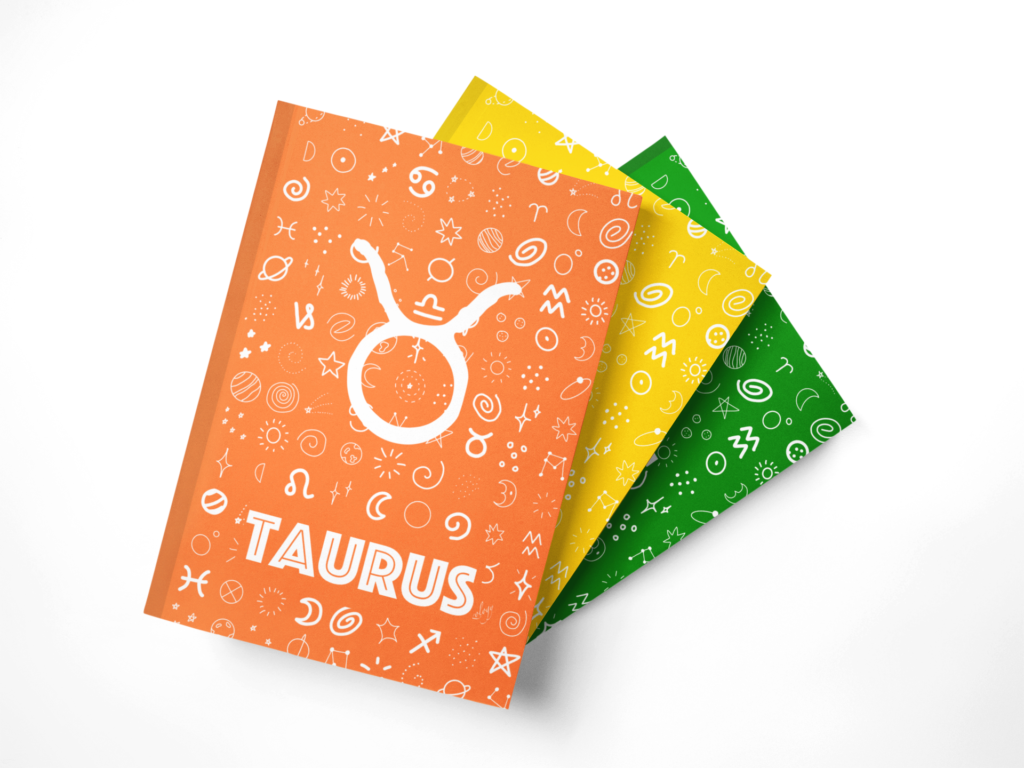
Colors play a crucial role in conveying the energy of astrological signs. For instance, fiery reds and oranges might be associated with Aries, while earthy tones like greens and browns can represent Taurus. Be mindful of the emotional impact colors can have and choose a palette that aligns with the essence of your astrological theme.


Embrace Symbolism

Incorporate astrological symbols into your artwork to add layers of meaning. Zodiac glyphs, planetary symbols, and constellations can serve as powerful visual elements.

Experiment with ways to integrate these symbols seamlessly, whether as focal points or subtle details woven into the background.


Tell a Story with Constellations

Celestial storytelling can be a fun aspect of astrology-themed art. Consider creating constellations that tell a narrative or reflect personal experiences. Connect the dots between stars, allowing your viewers to interpret their own stories within the cosmic patterns you’ve crafted.


Infuse Personal Insights

As a professional astrologer, bring your unique insights and interpretations into your artwork. Consider how specific astrological themes relate to your own experiences or the experiences of those around you. This personal touch can make your art not only visually appealing but also deeply meaningful.


Promote Mindfulness through Creation

Engage in the process of creating astrology-themed art with mindfulness. Allow each stroke or digital brushstroke to be deliberate and intentional. Embrace the meditative quality of art-making.

Read more >>> Mythical Goddesses

Read more >>> Astrology Journal Cover Page

Finally

Creating astrology-themed art is a delightful journey of blending creativity, symbolism, and personal insight. By connecting with astrological concepts, choosing a meaningful medium, and infusing your unique perspective, you can craft art that not only visually captivates but also resonates on a deeper level.

So, let the stars guide your artistic endeavors, and watch as your creativity unfolds like the cosmic tapestry of the universe.

astrology-and-art-diagram

Pin this to read later

Author Bio

Alison Price: Astrology Coach

Alison wants to help you uncover your individual creativity and lead a fulfilling life using your own astrology. She shares her wisdom from the heart with a touch of humor.

Learn more about Alison’s journey.

If you’d like to get in touch with Alison, you can reach out to her via email at [email protected].

More Articles

If you enjoyed this post, you may like some more astrology related articles from our blog.


Astrology and Chess

Astrology and Chess

In astrology, the planetary archetypes can be correlated to other things like chess pieces and characters in books, movies and TV shows.

Astrology and Chess

Astrology and Chess

In astrology, the planetary archetypes can be correlated to other things like chess pieces and characters in books, movies and TV shows.

Mythical Astrology: BadAss Goddesses

Mythical Astrology: BadAss Goddesses

BadAss Goddesses

In this episode, Alison chats with Arwynne O’Neill a research astrologer in Vancouver. Arwynne has created some beautiful and evocative artworks related to the goddesses and the zodiac signs. See her contact details at the end.


Support

If you wish to support Arwynne’s art practice and purchase one of these original artworks, please click on the image and it will take you to Arwynne’s online shop. Thank you in advance. We appreciate you.


Aries: BadAss Goddesses Amazons

The Amazons were a tribe of warrior women from Greek mythology, who lived in what is now Ukraine. Most famous among them were queen Penthesilea, who fought in the Trojan War, and her sister Hippolyta. No men were allowed among the Amazons, so they maintained their numbers through annual visits to a nearby tribe of male warriors. Baby girls resulting from these encounters were raised as fierce warriors, while male babies were either returned to the village of their fathers or left to die in the elements. (Alternatively, the Valkyeries)

Taurus: BadAss Goddess Watamaraka

Lightning and thunder herald the arrival of Watamaraka, the Zulu goddess of evil, at the temple where she rules over the Land of Darkness. She is the mother of all the world’s demons, and her mate, Burumatara, is their father—a half-bull, half-crocodile creature the size of an elephant.

Gemini: BadAss Goddesses Ta’xet and Tia

Ta’xet and Tia: The Haida of the Queen Charlotte Islands in Western Canada have a death god duality called Ta’xet and Tia who guard the portal between life and death, through which all humans must pass to reach the realm of the afterlife. Ta’xet is the god of violent death, and Tia is the god of peaceful passing.

Cancer: BadAss Goddess Gaia

Gaia is the personification of the Earth, and one of the first Greek deities born from the void of Chaos. She is the mother of the Titans, who preceded the gods of Mount Olympus. Her offspring, Cronus and Rhea, were the parents of Zeus, who eventually overthrew the Titans and became the king of the gods.

Leo: BadAss Goddess Bastet

Bastet is the Egyptian cat goddess, originally worshiped in the form of a lion. Her status grew as cats were domesticated and her cult spread to Italy, where her symbols and statuary have been found in the ruins of ancient Rome and Pompeii.

Virgo: BadAss Goddess Artemis

Artemis is the Greek goddess of the hunt, twin of Apollo and daughter of Zeus and Leto. Artemis rules the moon and childbirth, motherhood and virginity, wild animals and hunters. She took an oath of chastity and defended it with deadly force when necessary. A hunter who happened upon her bathing in the river was turned into a deer for his transgression. She was just as fierce at defending her virginal followers and meting out swift punishment to those who threatened them.

Libra: BadAss Goddess Venus

Venus is the Roman goddess of love and beauty, and the ruler of Libra. She was born of the ocean foam rising from the severed testicles of the god Uranus. She is the epitome of feminine charm, gorgeous and irresistible, but also vain and faithless, prone to jealous rage and capricious violence. By the numbers, her legacy of lovers is dwarfed by the victims left in her… ahem, wake. The beautiful boy who didn’t return her affection, turned into a crab. An entire island’s women, struck blind. Love hurts.

Scorpio: BadAss Goddess Serket

Serket is the ancient Egyptian goddess of magic and medicine, and the ruler of poisonous creatures. She specialized in curing the venomous stings of spiders, snakes, and especially scorpions, which are her totem. She embodies both the venom and its antidote. Serket was the chosen patroness of many pharaohs, and their protector in the afterlife.

YouTube

Follow along with our conversation about Arwynne’s artworks on YouTube.

Sagittarius: BadAss Goddess Ayao

Ayao is a Yoruba goddess in the Santería pantheon and an Orisha, or spirit of the air. She resides in the forest and in the eye of the tornado. She is a fierce warrior who wields many weapons, including a crossbow, a serpent, a quill and nine stones. (Alternatively, the Amazons)

Capricorn: BadAss Goddess Estanatlehi

Estanatlehi is the Navaho and Apache goddess of time, creation, transformation and immortality known as the Changing Woman. As an old woman she walks toward the east until she sees her younger self coming towards her, then she merges with herself, becoming young again. She progresses through an endless stream of lives, always changing and renewing but never dying. (Alternatively, Medusa)

Aquarius: Goddess Sedna

Sedna is the vengeful Inuit goddess of the sea, worshiped by hunters and fishermen who depend on her for their livelihood. As a beautiful maiden, Sedna rejected many suitors until a deceitful god tricked her into marriage. Her father sailed to her rescue, but was so terrified by her husband’s wrath that he threw Sedna overboard and cut off her fingers to prevent her from climbing back into the boat. She sank to the bottom where she was adopted as the protector of all the ocean’s creatures.

Pisces: BadAss Goddess Meng-Po

Meng-Po, Buddhist Lady Meng (whose name means “Dream”) is the goddess who guards the door of the Ninth Chinese Hell, where she dishes out a mystic brew for the souls of the dead to drink. Her potion makes them lose all memories of their previous lives, which ensures that everyone is reborn with a clean slate. The only thing a soul carries from one incarnation to the next is its Karma, kind of like spiritual metadata.

Author Bio

Arwynne O’Neill is a research Astrologer in Vancouver.

Check out all of Arwynne’s fabulous BadAss Goddesses and other artworks.


More Articles

If you enjoyed this post, you may like some more astrology related articles from our blog. 

Mars Retrograde

Mars Retrograde

In astrology, MARS will be RETROGRADE in Cancer and Leo during 2024-2025. It will have an extended stay in both signs.

The ABCs of Astrology

The ABCs of Astrology

Author: Alison Price   –   Updated: December 2025

By The Letters

In this particular article, I’m going to explore the whimsical side of astrology by examining the ABCs of this mystical discipline. Each letter of the alphabet will feature a chosen astrological component but be aware that not all aspects will be covered.

To illustrate, the letter “C” could stand for Chart, Cancer, Conjunction, Chiron, or Capricorn, and there are likely numerous other astrological terms that readily come to mind.

Let’s begin our journey with the letter “A.” –  Alison ⭐


The ABCs of Astrology

A is for Aspects

In astrology, aspects refer to the angular relationships between celestial bodies in a birth chart. These relationships, determined by the degrees of separation between planets, reflect specific energetic connections and influences.

Aspects reveal the dynamic interplay between various planetary energies, shaping an individual’s personality traits, potentials, and life experiences. They can indicate harmonious or challenging interactions, highlighting areas of strength, challenges, and opportunities for growth.

Common aspects include conjunctions (when planets are close together), squares (90-degree angles), trines (120-degree angles), and oppositions (180-degree angles). The nature of the aspect determines the nature of the interaction, influencing the overall astrological interpretation.

⠀

Read more >>> Astro Art

⠀

B is for Books

If you’re delving into astrology and seeking some insightful reading material, I have a few book recommendations for you.

Consider adding the following three titles to your astrology collection:

“An Ephemeris” – This book provides essential astronomical data, such as the positions of celestial bodies, which is crucial for accurate astrological calculations and chart interpretations.

“The Contemporary Astrologer’s Handbook” by Sue Tompkins, this handbook offers a comprehensive guide to modern astrology, covering various techniques, chart interpretation, and practical advice for aspiring astrologers.

“Planets in Transit” by Robert Hand, this book explores the influence of planetary transits, revealing how the movement of planets in relation to an individual’s birth chart can shape and influence life events and personal growth.

These three books can serve as valuable resources to deepen your understanding of astrology and enhance your astrological practice.

C is for Chart

The centerpiece of any astrology session lies in the chart, a profound depiction of your life and spiritual voyage. Your individual birth chart acts as a blueprint, unveiling the intricate details of your existence.

Numerous chart variations exist, including:

Natal charts: It highlights the positions of celestial bodies at the time of your birth, shedding light on your personality traits, potentials, and life path.

Midpoint Composite Charts: These charts combine the birth charts of two individuals to explore the dynamics and potentials of their relationship.

Progressed charts: They reflect the evolution of your natal chart over time, offering insights into your personal growth and life transitions.

Solar Arc Directed charts: These charts focus on specific periods or themes in your life, providing a more in-depth understanding of their influence and significance.

Solar Return Charts: They are cast for the exact moment when the Sun returns to its natal position each year, providing insights into the upcoming year’s themes and energies.

Bi-wheel charts: They feature two charts overlaid, allowing for a comparative analysis of different time periods or individuals.

This list merely scratches the surface, as astrology encompasses a wide array of chart types, each offering unique perspectives and insights into various aspects of life.

D is for Descendant

The descendant, located on the western horizon at the time of your birth, holds significance in your chart. It symbolizes several facets, including your life partner and the qualities you seek in a companion.

This point highlights the characteristics, values, and attributes you desire in a significant other. It provides insights into your ideal partner’s traits and helps shape your expectations in relationships.

The descendant plays a crucial role in understanding the dynamics of your partnerships and the type of connection you seek in your journey through life.

E is for Ephemeris

An ephemeris is a table or data set that provides the positions of celestial objects, such as planets, moons, and stars, at specific times. It contains information on their coordinates, distances, velocities, and other relevant parameters.

Ephemerides play a crucial role in astrology, where they provide information for horoscope charts and planetary alignments. Overall, ephemerides are vital tools for understanding and navigating the celestial realm.

⠀

F is for Fixed Stars

Although all stars are in motion, some appear stationary to us, and we refer to them as fixed stars. 

The Four Royal Stars of Persia, including Fomalhaut, Antares, Aldebaran, and Regulus, are considered the primary fixed stars. They are also known as the watchers of the four cardinal points of North, South, East, and West. Currently, all of these magnificent stars are located in fixed signs, indicating their significant influence on human affairs.

⠀

G is for Glyphs

Glyphs in astrology are symbolic representations used to denote celestial bodies, zodiac signs, and other astrological elements. Each glyph has a unique design that captures the essence of its corresponding entity. These symbols serve as a concise and universal language in astrology, enabling astrologers to communicate and record information efficiently.

Glyphs are essential for constructing birth charts, where they represent planets, asteroids and other celestial points. They are also used to represent zodiac signs, planetary aspects, and other astrological factors in charts and diagrams.

By utilizing glyphs, astrologers can convey complex astrological concepts quickly and accurately, enhancing the understanding and interpretation of astrological systems.

⠀

H is for Houses

Houses, alongside signs, form one of the fundamental pillars of astrology. Astrologers must possess a comprehensive understanding of the significance of houses and the meaning each planet holds within them.

Mastering this knowledge requires time and dedication due to its vast scope. However, the endeavor is immensely rewarding. For those practicing writing horoscopes, a thorough comprehension of houses becomes indispensable.

It serves as a vital tool for deciphering the intricate dynamics between celestial bodies and human lives, enriching the accuracy and depth of astrological interpretations.

I is for Immun Coeli

In astrology, the Immum Coeli (IC) is a significant point in the birth chart representing the bottommost part of the sky at the time of an individual’s birth. It is often associated with one’s roots, family, and private life.

The IC signifies the foundation of one’s being, including their upbringing, ancestry, and emotional core. It influences the person’s sense of security, innermost desires, and personal connection to their home and family.

Understanding the Immum Coeli helps astrologers gain insights into a person’s psychological and emotional foundations, enabling them to explore the deep-seated influences that shape an individual’s sense of belonging and personal identity.


J is for Jupiter

Jupiter stands out in my astrology ABC as the largest planet by a significant margin. It boasts an impressive number of satellites and is renowned for its iconic Great Red Spot.

Associated with growth, luck, and all things expansive, Jupiter holds dominion over the signs of Sagittarius and traditionally rules Pisces. These two signs are bicorporeal, symbolized by dual entities within each: Sagittarius depicts a man and a horse, while Pisces showcases two fish.

Jupiter’s influence extends to all that is grandiose and abundant, amplifying the qualities of these signs and emphasizing the multifaceted nature of their symbolism.

K is for Kepler

Johannes Kepler established three laws of planetary motion, and his second law holds particular relevance for astrologers. This law states that a planet will cover equal areas in equal times. Consequently, when a planet is closer to the Sun in its orbit, or at perihelion, it moves more rapidly through the zodiac signs.

In contrast, when it is farther away at aphelion, its movement through the signs is slower.

For example, Pluto’s orbit brings it close to the Sun in Scorpio and farther away in Taurus.

Therefore, it takes twenty years for Pluto to transit Scorpio, but it takes forty years to transit Taurus, underscoring the impact of Kepler’s second law on astrological calculations.

L is for Local Mean Time

Local mean time, an essential component in manual chart calculations, required determination in the past. It differs from standard time within a specific time zone.

Local mean time refers to the time in your specific geographic location, accounting for the variations in longitude. Prior to the convenience of standardized time zones, individuals had to calculate their local mean time based on their specific longitude.

This adjustment allowed for more accurate astrological chart calculations, taking into account the precise positioning of celestial bodies at the moment of an individual’s birth in their particular location.

M is for Midheaven

The Midheaven, a potent and influential point situated at the pinnacle of every chart, holds significant meaning. It represents one’s highest achievements and honors, reflecting their endeavors in the public sphere and their notable contributions.

This point sheds light on an individual’s professional pursuits, public image, and the activities for which they are recognized. It plays a crucial role in shaping one’s reputation, be it for positive acclaim or even notoriety.

The Midheaven serves as a compass, guiding astrologers to gain insights into an individual’s standing in the world and their prominent role, or not, in society.

midheaven

N is for Nodes

The nodes, also known as the lunar nodes, constitute a pair of points in any chart where the path of the Moon intersects with that of the Sun.

These nodes are present in every chart and gradually regress or move retrograde through the zodiac, though they may occasionally remain direct or stationary for brief periods.

The North node implies forthcoming opportunities and one’s future destiny, while the South node signifies the relinquishment of certain aspects or circumstances and points to one’s past experiences.

By analyzing the placement and movements of these nodes, astrologers can gain insights into an individual’s karmic journey and provide guidance for their path ahead.

O is for Orbs

Orbs function as tolerances in astrology, indicating the degree range within which two celestial bodies can form an aspect. A narrow or tight orb refers to a range of less than one degree, while a wider orb typically extends to about eight degrees for aspects like conjunctions, oppositions, trines, and squares.

The tighter the orb, the stronger and more precise the aspect is considered to be.

A wider orb allows for a more lenient interpretation, acknowledging the potential influence of the aspect even if the exact degree alignment is not as precise.

Orbs provide astrologers with flexibility in assessing the strength and significance of planetary aspects within a birth chart.

P is for Planets

The planets within a chart embody the energetic forces at play. Their placement indicates areas of activity and significance. As planets occupy houses, they infuse vitality and meaning into them.

Planetary positions in signs can determine their state of happiness or lack thereof, which is influenced by their essential dignity. This reflects how well a planet aligns with the qualities and characteristics of a given sign.

Essentially, the planets serve as active participants, shaping the dynamics and expressions within a chart, with their location and essential dignity providing valuable insights into their influence and impact.

Q is for Quadrants

The four quadrants are defined by two axes: the Ascendant and Descendant, as well as the Midheaven and IC.

  • The first quadrant lies below the Ascendant and represents the realm of the private self.
  • The second quadrant lies below the Descendant, embodying the private interactions with others.
  • The third quadrant sits above the Descendant, symbolizing the public interactions with others.
  • The fourth quadrant resides above the Ascendant, denoting the public self and one’s outward presence.


R is for Retrogrades

With the exception of the Sun and Moon, all planets undergo retrograde motion.

Mercury retrogrades three times annually, Venus retrogrades five times within an eight-year period, and Mars retrogrades approximately once every two years. The remaining planets experience retrograde motion each year.

The outer planets enter retrograde from their trine aspect to the Sun, continue through the opposition, and conclude at the subsequent trine. When the outer planets are opposite the Sun, they are all in retrograde.

Retrograde periods add unique dynamics to planetary influences, providing astrologers with valuable insights into the complexities of planetary energies and their impact on individuals’ lives.

S is for Sun Signs

Sun signs are the gateway to astrology as everyone is familiar with their own Sun sign. It’s usually the first thing people learn about astrology.

Even individuals who are not into astrology are aware of their Sun sign and read horoscopes related to it in the media.

Your Sun sign is determined by the position of the Sun on the day of your birth, such as being in Gemini if your birthday falls between May 21 and June 20. The signs are categorized into polarities, elements, and modes.

T is for Transits

When beginning the study of astrology, one of the first forecasting techniques introduced is the use of transits. In fact, many astrologers solely rely on transits for their forecasting practices.

Transits focus on the current and future positions of planets, providing insight into their movements in the upcoming weeks, months, or even years. By observing where the planets are presently and where they will be in the future, astrologers can gain valuable information about the potential influences and developments in an individual’s life.

Transits serve as a foundational tool for forecasting, enabling astrologers to analyze the dynamic interplay between celestial bodies and their impact on an individual’s chart.

U is for Universe

For the letter U, I have chosen the term “universe.” While not exclusively an astrology term, it encompasses the entirety of the space in which we exist. The universe holds a broader significance, encompassing all celestial bodies, energies and cosmic forces that influence our lives.

While astrology focuses on specific planetary and celestial influences, the concept of the universe reminds us of the vastness and interconnectedness of everything in existence.

It serves as a reminder that astrology is just a part of a much larger cosmic tapestry, inviting contemplation of our place within the grandeur of the universe.

V is for Vertex

The Vertex is an intersecting point in a chart where the prime vertical converges with the ecliptic. Positioned on the right side of a chart, it commonly resides within the fifth, sixth, seventh, or eighth houses. The Vertex acts as a gateway through which people, situations and events enter and exit our lives.

When the Sun of another person is conjoined your Vertex, it signifies that they are a profoundly influential individual for you. This alignment suggests a person of great significance, playing a pivotal role in your life’s journey and leaving a lasting impact.

The Vertex serves as a key indicator of significant connections and transformative experiences within the realm of astrology.

W is for Wheel

The wheel serves as the foundation of a chart, visually depicting its structure. Resembling a wheel with spokes, it delineates the distinct areas of life through the houses and axes in your chart. The circular form of the wheel symbolizes the cyclical nature of existence and the interconnectedness of various life domains.

The houses represent specific realms of experience, while the axes highlight important dynamics and relationships within the chart. By visualizing the chart as a wheel, you can gain a comprehensive understanding of how different facets of life intertwine and influence one another, allowing for insightful interpretations and analysis of an individual’s unique cosmic blueprint.

X is for X-Factor

The X-factor in astrology represents your individuality and the unique qualities you bring to chart interpretation. It remains unknown until you dive into the process. Your personal approach to understanding and connecting with clients becomes your X-factor.

When interpreting charts, I draw insights from my own birth chart, which reflects my true essence, while you utilize your birth chart and personal experiences to shape your interpretations. In astrology, there are no rigid rules for interpretations, allowing for individual interests and inclinations to shine through.

Embrace your X-factor and unleash your potential as the best astrologer you were destined to be, utilizing your distinctive perspective to provide meaningful and authentic guidance to others.

Y is for Yod

The Yod aspect in astrology, also known as the “Finger of Fate,” is an intriguing and potent configuration.

It forms when two planets are in sextile (60°) aspect and both form an inconjunct (150°) aspect to a third planet.

The Yod creates a focal point of tension, pushing an individual towards a unique and transformative path.

It represents a karmic challenge or a special mission in one’s life, often requiring adjustment and integration of seemingly contradictory energies.

Those with a Yod aspect pattern possess exceptional potential for personal growth and spiritual evolution, as they navigate the complexities and embrace the opportunities presented by this interesting and impactful configuration.

Z is for Zodiac

The Zodiac signs derive their names from the constellations that the Sun traverses throughout the year.

Only the constellations aligned with the Sun’s path are recognized as Zodiac signs, while those like Orion, despite being well-known, do not fall within the Zodiac.

Although constellations can differ in size, each tropical sign spans a uniform length of thirty degrees.

This standardization allows for consistent division and interpretation of the zodiacal wheel.

By understanding the relationship between the Sun’s journey and the designated signs, astrologers can accurately analyze and interpret the unique characteristics and energies associated with each Zodiac sign.

Greetings Cards

Because I enjoy astro artwork as well, I have created a greeting card with the ABCs images on it and you can find the link in the description.

You can see the image on the blog post.

abc-greeting-card


Author Bio

Alison Price: Astrology Coach

Alison wants to help you uncover your individual creativity and lead a fulfilling life using your own astrology. She shares her wisdom from the heart with a touch of humor.

Learn more about Alison’s journey.

If you’d like to get in touch with Alison, you can reach out to her via email at [email protected].

More Articles

If you enjoyed this post, you may like some more astrology related articles from our blog.


Ruling Planets

Ruling Planets

Author: Alison Price   -   Published: December 2025 Basic Natal Astrology This article is part of my Basic Natal Astrology series, where I explore deeper chart analysis for practicing and aspiring astrologers.Sign Rulerships By Sign Understanding sign rulerships is a...

No Results Found

The page you requested could not be found. Try refining your search, or use the navigation above to locate the post.

Summer Garden Art: Ink and Wash

Summer Garden Art: Ink and Wash

Author: Alison Price   –   Published: August 2022

Summer Garden Art: Ink and Wash

This summer I was fortunate to take a week off to be a houseguest and visit some good friends of mine who live on the Sunshine Coast in coastal British Columbia, Canada.

Summer Garden Art: Ink and Wash

Location

Halfmoon Bay

Their delightful home is perched high on a hill with sea views that overlook the local bay.

This is a wonderful spot to observe sailing boats, cargo ships and cruise liners navigating up and down the coast.


Birds of Prey

We also spotted hawks and eagles.

In early evening, the full Moon rose from the east, climbed high and bathed us in shimmering light that danced across the water and set the scene for a perfect moment.


Garden Layout

Rocky Outcrop

Due to the rugged terrain, the front garden has deep lavender and coneflower terraces supported by tons of bedrock underneath.

The house is perched right at the apex of a rocky outcrop. 

After a 3m wide terrace, the back garden falls off at a steep incline plunging to the lower garden level below.


Water Restrictions

Buckets

Due to the incidence of forest fires and a lack of rainfall in the area, there are stringent water restrictions in place during the summer months. 

This means that you can only water with handheld hosepipes or buckets for two hours each day.

Therefore, this garden must contain chiefly indigenous plants which can survive these dry hot conditions and those which can make it through the harsh winter snows that may accumulate up to two feet deep. 

Because of the natural terrain, the back garden is particularly interesting with a walking path that winds throughout.


Garden Plan View

From the Terrace

Looking with my artist’s eye, I decided to draw a plan view of this garden rather than to select one part to draw.

I created the sketch for the plan view from the terrace.


Main Shapes

With my pencil I lightly drew the outline shape of the perimeter fence and the outside walls of the house. 

I later realized that the garden is not actually square, but it’s a bit more of a rhomboid shape and that the house has a few more ins and outs than I had in my sketch.

Nevertheless, there are two main rectangular shapes, the fence and the house.


Pen

With a 0.1mm black pen I lightly sketched the main features of the garden. 

First, I drew the terrace round the back, the gates on either side, the pathways and the roughhewn stone steps to the east and west.


Seating Areas

Next came the gathering spots of which there are several. 

There is the main terrace seating area, the Hummingbird café bench.

The lower-level intimate chat section on the path, the main stage forum in an emerald glade of fine grass.

Finally, a few steps up from there nestled a garden chair in the solitary meditation area. 

Along the wall I sketched in some of the massive external boulders as this garden was basically hewn out of bedrock.


Large Foliage

Trees and Shrubs

Some of the trees and plants are quite spectacular. 

There is a gigantic wisteria on an espaliered fan just at the top of the terrace which I drew first. 

A colossal magnolia tree with extra-large blooms dominates the scene right down in the main valley, but still visible from the house. 


Roses and Fruits

Around the corner to the left, is a delicate rose garden still under development. 

A hardy white grape vine cascades over an aging trellis arch at the top of the western staircase flight. 

Against the back boundary grows a towering clump of bamboo which eagerly shot up this summer.


Hard Landscaping

Bird Feeders

A sun-kissed covered seating area is fondly called the Hummingbird café for obvious reasons. 

The guys have hung feeders and the birds flock in. 

Down at a section which I think is called the “globe theatre glade” had been erected several vertical poles all around the circle. 

This provides a strong statement area. 

Topping each post are stylish multi-colored garden lights which can fluctuate from white to colored, warm or cool at the flick of a switch. 

To have a wonderful area in which to gather on warm summer evenings is no doubt a serene place where the imagination can soar.


Raised Beds

The folks had strategically positioned several raised beds and grow a striking selection of herbs and vegetables including some immense tomato plants. 

Pumpkins cascade out of terracotta pots to seek the warmth and light. 

This vegetable heaven is over towards the east of the property, so on the plan view it is represented with oblong boxes.


Composition

Paths

Once I had laid down on the page the main hard pathways of this drawing, the key seating areas and some specimen plants, I was ready to fill in the rest. 

I took my time in the core section and found different ways to illustrate distinctive plants. 

Now this really is me using my artistic license as there are many component bushes and trees thriving in this area.


Perspective

For most of this drawing I used plan perspective which means the viewer is looking down from above. 

Plan view lays things out very much like a map. 

For a lot of the unknown shrubs, I use the plan viewpoint where I just plonked the leaves on the page.


In some cases, I employed elevation perspective where I created the side view of the plant in its position. 

This combination of the two techniques adds visual interest to my illustration.


Wildlife

Birds

A vast number of birds are attracted into the garden. 

The hummingbirds came in their droves.

I saw blue jays for the first time in my life.

Many chickadee birds fluttered in the trees and around the bench where I was. 

Chipmunks popped in and out of the shrubbery busily collecting snacks, peanuts and seeds.


Winger Visitor

As I sat on the terrace with my sketch paraphernalia, a chickadee bird swooped down and landed on the top edge of my sketchbook.

To start with I didn’t realize what it was and I let out a scream that had the household running as I leapt to my feet.

I soon realized it was a cute little two-inch wild bird.

I settled back down to my sketching and five minutes later another chickadee, probably the same cheeky one from before, landed on the toe of my flip-flop as I relaxed, legs crossed, sketching. 

This time I kept my cool as by now I was an expert outdoors woman and not just a scardy pants city slicker.


Evolution of a Garden

Wild

I had visited this enchanted garden last year and although the main features were in place and all the hard landscaping had been done, back then the plant life itself was quite a wilderness. 

In the year I have been away, the owners have really labored to clear a lot of the vegetation to bring forth specimen plants that were in there but could not be seen.

By the sweat of their brows, they felled dead trees and cut back countless brambles and blackberry bushes to let the light in which allowed lower growing shrubs to have a fighting chance.

Gardens, obviously, are living things and that they continue to evolve, whether we pay attention to them or not, is a natural wonder. 

I look forward to witnessing how this well-loved outdoor space will develop in the future.


Resources

Travelling Art Supplies

I had my traveling art field sketch equipment with me as I don’t like to take too much art stuff when I go away. 

My minimal drawing kit included:


Side Note  

As I have recently been getting into colored ink work, I really wanted to take my tinted inks with me, but it was totally impractical to lug twelve small glass bottles of quick-stain ink in my bag. 

The thought did cross my mind and then I let it go…


The Artwork

Paint and Wash

After breakfast I set myself down on the back terrace with my field drawing equipment.

My water pen had some liquid in it which I prefer rather than a jam jar of water. 

Mixing olive green and yellow ochre, I put two drops of water into the khaki pan and two drops of water into the mustard-like pan and with my paintbrush slowly stimulated the paints.

Then I mixed the two colors over on the paintbox lid palette.

I thinned the colours down substantially by releasing drops of water into my palette. 

I’m really working with microscopic amounts of paint here with only one or two teaspoons of each color.


Painting

I started coloring the stone steps to the east and west and some of the main boulders with very light watercolor wash

Ensuring to let the pigments dry and to not work on adjacent colors that were still wet, I pushed on.

Lightly washing the shrubberies in different greens, I developed the plant life in the garden.

It was a scorching day around 28C and the paint was drying pretty fast.

I turned to the large stones with some yellow ochre and a dab of sepia brown.

Once the boulders were dry, I mixed up a slightly deeper carmine red and added light shadows snuggled below and to the left of each rock.

Adding shade again breaks from the plan view to the elevation view, but this is a piece of art, so that’s why I did it.

I believe the combination of top and side views created additional interest in this artwork.


Area Names

The owners have some fun and quirky names for the different zones of their garden.

Where I could remember some of the words, I wrote them on my drawing.


Overarch

Reflection

I did enjoy creating this artwork. 

Although it is not correct as an architectural drawing or even perhaps a garden layout drawing, it is a perfect sketch representation of this wonderful and magical garden.

As my friends continue to pour love, warmth and energy into their property, it will no doubt mature, blossom, bear fruit and become a garden of anybody’s dreams. 

I feel honored to have shared some time with them in their wonderful uplifting outdoor space. 

Thanks to my friends for their exceptional hospitality and openhearted spirit. 

I simply loved being an aspiring artist in their welcoming haven.

Thank You

If you have are still with me this far in, then thank you for sharing part of your day with me. 


No Results Found

The page you requested could not be found. Try refining your search, or use the navigation above to locate the post.

No Results Found

The page you requested could not be found. Try refining your search, or use the navigation above to locate the post.

Alison Price: Creator and Astrologer

Alison Price brings astrology down to earth and gives it room to play. Her approach combines solid astrological knowledge with curiosity, creativity and a healthy dose of humour. Through Create, Alison brings astrology to life with journal pages, drawing, colour and creative projects. Through Explore, she connects astrology with travel, places and the experiences that make life interesting. Alison offers Astrological Consultations and Coaching for Aspiring Astrologers.

Reach Alison at [email protected].

Read past issues and get Starzlife newsletter.

More Articles

If you enjoyed this post, I urge you to explore some more creative, astrological articles from Starzology. – Alison ⭐


The ABCs of Astrology

The ABCs of Astrology

Learn some fun astrology with the ABCs of Astrology whereI go over one specific chart component relating to each letter.

Summer Garden Art: Ink and Wash

Summer Garden Art: Ink and Wash

This summer I was fortunate to take a week off to be a houseguest and visit some good friends of mine who live on the Sunshine Coast in coastal British Columbia, Canada.

Color of the Year

Color of the Year

Pantone - the Color People Color of the Year Towards the end of each year, Pantone announces a new color for the forthcoming year. The publication of the Color of the Year is highly anticipated, mainly by artists, graphic designers, trend setters and the New Age...

Managing Client Expectations

Managing Client Expectations

Author: Alison Price   -   Published: November 2024 Client Expectations When starting or running your astrology business, one of the most crucial skills you can develop is managing your client expectations. Clients often come to us seeking definitive answers about...

Mayan Long Count Calendar

Mayan Long Count Calendar

Author: Alison Price   -   Published: January 2013 Mayan Long Count Calendar Mayan Astrology Calendar End and Start The end of the Mayan calendar seemed to finish on December 21, 2012. Solstice Coincidence Winter Solstice The winter solstice most years falls on...

Halloween

Halloween

Discover a little about Halloween and where the Sun is astrologically at Halloween as it moves through the Wheel of the Year.

No Results Found

The page you requested could not be found. Try refining your search, or use the navigation above to locate the post.

Drawing The Fibonacci Shell

Drawing The Fibonacci Shell

Author: Alison Price   –   Published: January 2022

Drawing The Fibonacci Shell

I’ll show you how to draw the Fibonacci shell shape which is found all over nature.

Fibonacci Sequence

Number Patterns

I’ve always been interested in symbols and patterns and particularly the patterns found in nature. 

The work we are about to draw is one of those natural patterns that pops up all over the place.


Meet Fibonacci

Fibonacci (c. 1170–c. 1240), also known as Leonardo of Pisa, was an Italian mathematician who helped introduce the Hindu-Arabic number system to Europe.

He is best known for the Fibonacci sequence, a series of numbers in which each number is the sum of the two preceding numbers: 0, 1, 1, 2, 3, 5, 8, 13, 21 and so on.

Fibonacci introduced this sequence in his 1202 book Liber Abaci (Book of Calculation).

The sequence appears in many natural patterns, including the arrangement of leaves, flower petals, seed heads and spiral formations.

It is also closely associated with the Golden Ratio, approximately 1.618, which has fascinated mathematicians, artists and designers for centuries.


Fibonacci Sequence

The Fibonacci sequence is 1, 1, 2, 3, 5, 8, 13, 21… and continues. 

The numeric pattern is created when the previous two numbers are added together to make the third number. 

So, 1 + 1 = 2, 1 + 2 = 3, 2 + 3 = 5 and so on.

The Plant Kingdom

Fibonacci in Nature

The Fibonacci sequence is a mathematical pattern of numbers which is all around us in the natural world.

Sunflower Heads

The arrangement of the seeds on the head of a sunflower shows a close resemblance to the Fibonacci sequence.

The seeds are organized in whorls which spiral out in a manner consistent with this numerical pattern.

Spiral Symmetry

The Fibonacci sequence is known for its characteristic spiral symmetry, and this phenomenon is clear in a sunflower’s seed distribution.

The whorls expand outward in a spiral, which follows the sequence.


Mathematical Harmony in Nature

This Fibonacci sequence in sunflowers shows the connection between numbers and the organic world.

The order and harmony found in these patterns gives beauty and structural integrity to sunflower heads.

Functional Significance

The seedhead arrangement improves the packing of seeds, cashing in on the sunflower’s reproductive potential.

The presence of the Fibonacci sequence in sunflowers also carries symbolic significance.

Pineapple

Another example of the Fibonacci sequence in plants is found on a pineapple.

The knobby things cycle up one way with eight spirals and the other way with thirteen spirals called interlocking helices.


Numbers in Nature

These are just two examples of how the Fibonacci numbers show in the plant world.

To see the Fibonacci numbers in plantes like sunflower heads, pineapples, succulents and pinecones shows the interesting and mutual relationship between numbers and nature.

The Animal Kingdom

Nautilus Shell

The Fibonacci sequence is seen in the elegant spirals of the Nautilus shell.

This creature is characterized by its distinctive shell, which grows and follows the Fibonacci pattern in its chamber arrangement.

Each chamber in the Nautilus shell expands in a precise sequence of the Fibonacci numbers.

This gives a visually pleasing pattern as well.

Personal Connection and Collection

I possess a small, yet meaningful, shell collection, including a nautilus shell.

I got this shell during a vacation in Mozambique.

Artistic Inspiration

My nautilus shell is a muse for sketchbook sketch that we will look at now.


Honeybee Family Tree

The Fibonacci sequence isn’t only found in the spirals of shells and the arrangements of flower petals.

It can also be found in the family history of a honeybee!

I found this to be a little tricky to understand but am assured it is true.


Resources

Supplies

I’m listing the art supplies I used to create this drawing, but I always urge you to use anything that you have at hand. 

You do not have to go out and get these supplies. 

You will probably have plenty of pens and papers in your home with which you can draw this sketch.


You Have What You Need

Don’t feel that you have to have all of this equipment and if you don’t you can’t do it. 

Use the supplies that you have to hand. 

You are an artist that’s why you are here. 

Get your stuff out and let’s get started.

Drawing the Grid

Grid Blocks

Let’s take the two numbers five and eight from the Fibonacci sequence. 

We are going to draw a rectangle with that is eight blocks wide by five blocks deep. 

  • Draw a rectangle 200mm (8 inches) wide by 125mm (5 inches) high.


When you have your rectangle on your page it’s time to draw the grid. 

  • Divide your rectangle into eight columns wide and five rows high.


Drawing the Blocks

Look at my diagram to see how to further divide up your blocks. 

  • On the left-hand side draw a thicker line after five columns. 
  • Now looking on the right-hand part, which is now 3 columns wide, draw a thicker line 3 rows down.
  • From the bottom right corner draw a thicker line two rows over and two rows up. 
  • Finally divide the last two into one cube each. 


Keep looking at the block diagram to make sure that you are dividing your rectangle into the squares correctly.

Drawing the Curves

Compass

When drawing the lines with your compass make sure to press lightly. 

You just want the line to be a guide we are not engraving on the page. 

The pencil I have in my compass is a 2H pencil. 

Make sure the tip of the compass point and the tip of the pencil are at the same place (when the compass is closed) before you start.

  • With your pencil compass place the point at the origin position shown by the red dot and draw two quarter circles over the one cube blocks.
  • Move your compass point to the second origin position marked with the dot and draw a curve two blocks wide as shown.
  • Move your compass point to the third origin position shown and draw a curved line over three blocks.
  • Move your compass point into the final five block origin position and draw an arc five blocks wide as shown.


Number 1 Block

See below.

Number 2 Block

See below.


Number 3 Block

See below.


Number 5 Block

See below.


Dividing Into Segments

Chambers

Let’s divide each of the number blocks one, two, three and five into segments (like an orange) to indicate the growth of the shell.

Number One Blocks

The number one blocks do not get divided as they are just one.


Number Two Blocks

The number two block division is from the origin point (where we put the compass in) draw a line at 45° dividing the number two block into two segments.


Number Three Blocks

Considering the three blocks, place your protractor crosshairs at the origin point (where you put your compass point in) for the number three blocks, remember to reference the drawing.

We’re going to divide the number three block into three, so that will be 90° divided by three will result in 30° per segment. 

  • Make a light mark at 30° from the horizontal and 60° from the horizontal on your page. 
  • Join the origin point for the number three blocks with the 30° and 60° mark with a line lightly in pencil. 


Do not extend the line past the curve.


Number 5 Blocks

We are going to divide the number five blocks into five segments. 

To divide 90° by five each segment will be 18° wide. 

  • Place your protractor crosshairs at the origin point for the number five block. 
  • Count upwards from the horizontal and make a light mark at 18° and then one at 36° (2 x 18° = 36°).
  • Counting left from the vertical, make a light mark at 18° and one at 36°. 
  • Draw a line from the origin point to the marks you have just made. 
  • You will draw four lines here and so divide the five block into five segments. 


Do not draw these lines past the curve of the shell.

Erase Marks

Lightly erase any pencil marks that are now unneeded and unnecessary before you start to color. 

I also used a kneadable eraser and lifted quite a bit of the graphite from the page just leaving faint lines there as a guide.


Coloring the Shell

I chose to colour my Fibonacci shell in tones of yellow and the background in tones of blue. 

Yellow and blue is always a great color combination to use in artwork and you can see this to great effect in Van Gogh’s “Starry, Starry Night” painting.

Take your time as this is the fun part. 

Colour in the background with different colors of blue. 

Relax and carefully colour in each little segment within each block. 

There will be many triangles and slivers of block now. 

Finally, I went over with a heavy black pen and redrew the curve of the Fibonacci shell and the artwork outline.

Completed

Voila, and there is your completed sketch. 

It is a fascinating shape as the Fibonacci shell continues to spiral outwards from the centre point. 

This form resonates with us as it is part of the natural world.

What Not to Do

Making a Botch

When I first started drawing the Fibonacci shell, I couldn’t get it quite right because it’s a tricky pattern. 

I tried several times, over a few days, to divide the shell because I wanted to you to see the striations and stripes on the shell which is how the actual Nautilus shell looks.

Now I’m going to show you my first few original efforts, so if for some reason you do make a botch, you will be happy to know that it happens to everyone.

These first two drawings are examples of what not to do when drawing the Fibonacci shell. 

The third one is correct.

Alison Price: Creator and Astrologer

Alison Price brings astrology down to earth and gives it room to play. Her approach combines solid astrological knowledge with curiosity, creativity and a healthy dose of humour. Through Create, Alison brings astrology to life with journal pages, drawing, colour and creative projects. Through Explore, she connects astrology with travel, places and the experiences that make life interesting. Alison offers Astrological Consultations and Coaching for Aspiring Astrologers.

Reach Alison at [email protected].

Read past issues and get Starzlife newsletter.

More Articles

If you enjoyed this post, I urge you to explore some more creative, astrological articles from Starzology. – Alison ⭐


The ABCs of Astrology

The ABCs of Astrology

Learn some fun astrology with the ABCs of Astrology whereI go over one specific chart component relating to each letter.

Summer Garden Art: Ink and Wash

Summer Garden Art: Ink and Wash

This summer I was fortunate to take a week off to be a houseguest and visit some good friends of mine who live on the Sunshine Coast in coastal British Columbia, Canada.

Color of the Year

Color of the Year

Pantone - the Color People Color of the Year Towards the end of each year, Pantone announces a new color for the forthcoming year. The publication of the Color of the Year is highly anticipated, mainly by artists, graphic designers, trend setters and the New Age...

Managing Client Expectations

Managing Client Expectations

Author: Alison Price   -   Published: November 2024 Client Expectations When starting or running your astrology business, one of the most crucial skills you can develop is managing your client expectations. Clients often come to us seeking definitive answers about...

Mayan Long Count Calendar

Mayan Long Count Calendar

Author: Alison Price   -   Published: January 2013 Mayan Long Count Calendar Mayan Astrology Calendar End and Start The end of the Mayan calendar seemed to finish on December 21, 2012. Solstice Coincidence Winter Solstice The winter solstice most years falls on...

Halloween

Halloween

Discover a little about Halloween and where the Sun is astrologically at Halloween as it moves through the Wheel of the Year.

No Results Found

The page you requested could not be found. Try refining your search, or use the navigation above to locate the post.

Color of the Year

Color of the Year

Pantone – the Color People

Color of the Year

Towards the end of each year, Pantone announces a new color for the forthcoming year.

The publication of the Color of the Year is highly anticipated, mainly by artists, graphic designers, trend setters and the New Age community.

Because this is such a big deal in the world of color, the color which Pantone chooses usually invokes the potential that each New Year heralds.

As someone who loves astro art and color in general I find this interesting.

2023 Viva Magenta

The Pantone color of the year for 2023 is Viva Magenta a rich magenta color.


Colors

Rainbow Colors

The seven colors of the rainbow or spectrum are red, orange, yellow, green, blue, indigo and violet.

Chakra Colors

The seven chakras are the root, sacral, solar plexus, heart, throat, third eye and crown chakras.

The chakras are related to the spectrum colors thus:

Red – root chakra

Orange – sacral chakra

Yellow – solar plexus chakra

Green – heart chakra

Blue – throat chakra

Indigo – third eye chakra

Violet – crown chakra

Crown Chakra

Anyone familiar with chakras will know that the Viva Magenta color is related both the Root (red) and Crown (violet Chakra.

Aquarius

Astrologically the colors are related to the signs.

The 2023 color of the year seems to be associated with the sign of the the Fish, Pisces.

Pisces is associated with many things one of which is that it is a sign of intuition and blending in.

Saturn is shortly going into Pisces to stimulate this color .

Interesting ly Saturn was in Aquarius for the Veri Peri of 2022.

Color Theory and Healing

That color can influence us is well documented and many practitioners will use color to invoke emotional, spiritual and even physical healing.

2023 Potential

I wonder how the choice for this year’s Pantone Color of the Year will unfold during the next 12 months for the world.

Author Bio

Alison Price: Astrology Coach

Alison wants to help you uncover your individual creativity and lead a fulfilling life using your own astrology. She shares her wisdom from the heart with a touch of humor.

Learn more about Alison’s journey.

If you’d like to get in touch with Alison, you can reach out to her via email at [email protected].

More Articles

If you enjoyed this post, you may like some more astrology related articles from our blog.


Ruling Planets

Ruling Planets

Author: Alison Price   -   Published: December 2025 Basic Natal Astrology This article is part of my Basic Natal Astrology series, where I explore deeper chart analysis for practicing and aspiring astrologers.Sign Rulerships By Sign Understanding sign rulerships is a...

No Results Found

The page you requested could not be found. Try refining your search, or use the navigation above to locate the post.