

In the Lunar Calendar, 2026 is the Year of the Horse starting in February.

Wellbeing and Astrology
Author: Alison Price – Published: July 2018
Wellbeing
Five-pointed Star
Life is a journey of growth, expression and meaning. Just as the five-pointed star shines brightly in the night sky, I believe there are five essential elements that shape a satisfying life and they are: Creativity, Love, Vision, Money and Wellbeing. Each of these points represents a key area of life and astrology provides insight into how we navigate them. Creativity fuels our passions, love connects us to others, vision gives us direction, money provides security and opportunity and wellbeing ensures we have the strength to enjoy it all. This week I’ll explore each of these five components which I have incorporated into my astrology practice. I’ll share their astrological influences and how you can cultivate them for a more fulfilling and balanced life.
Wellbeing Podcast Episodes
Below are some of our most popular wellbeing podcast episodes. Click to listen now.
A Five-Pointed Star
The Essence of a Fulfilling Life
Your personal astrology holds the key to living a satisfying and meaningful life. It offers insights into your strengths, challenges and the unique path you are meant to follow.
Starzology
When I founded my Starzology astrology business, I deliberately chose a name that resonates with the number five, a number deeply embedded in astrology, creativity and personal growth.
5th Sign
The zodiac’s fifth sign, Leo the Lion, holds special significance for me because it’s my own Sun sign and Ascendant sign. Leo is bold, radiant and expressive, embodying the creative fire that drives inspiration and self-expression.
Quintile
In astrology, when we divide a birth chart by five, we uncover the quintile aspect, which is associated with talent, artistic ability and creative gifts. This lesser known but powerful aspect represents the spark of ingenuity that allows us to bring something uniquely our own into the world.
Star
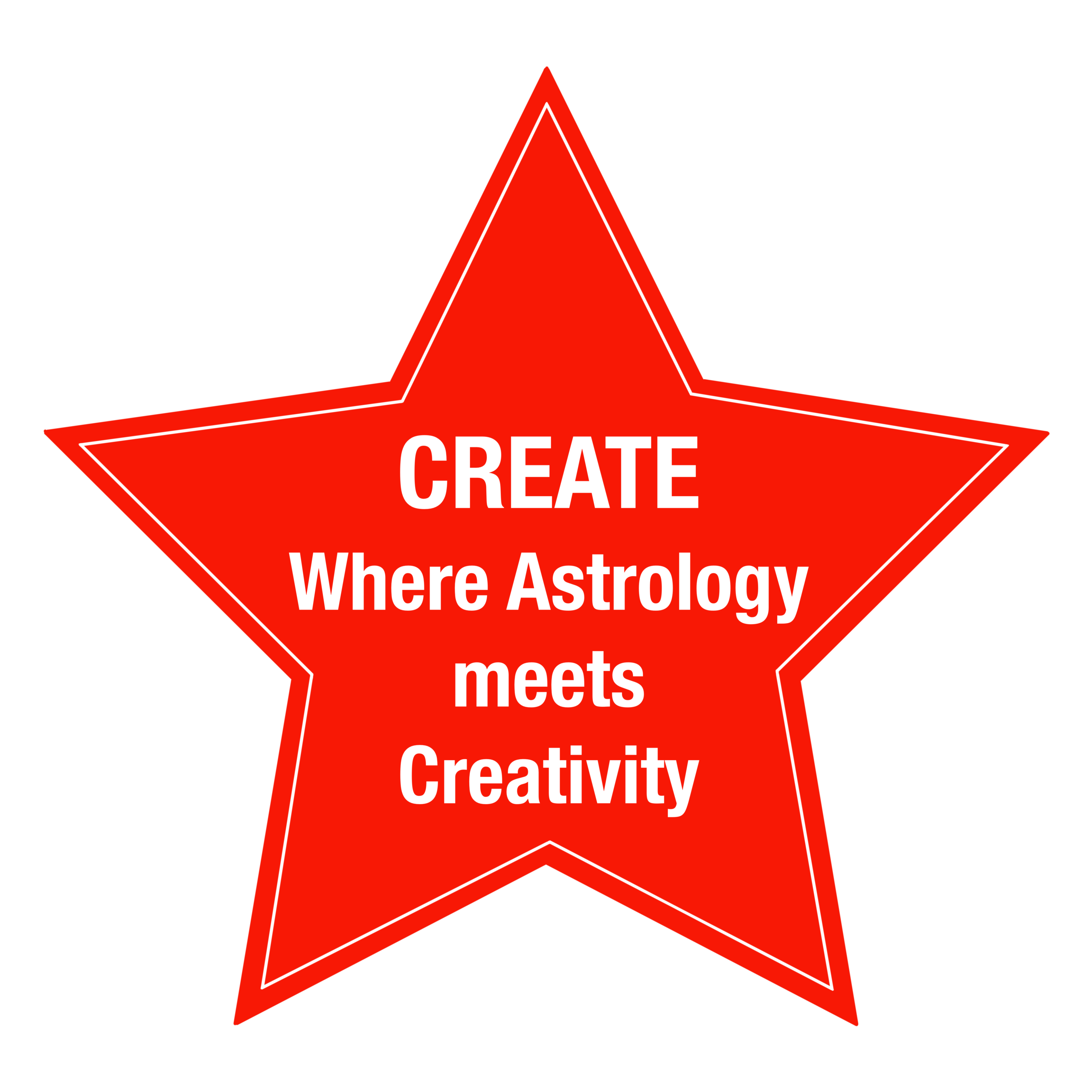
At the heart of my philosophy is the five-pointed star, a timeless symbol of creativity and wholeness. While creativity forms the foundation, a truly fulfilling life requires more than just inspiration. To complete the star, I believe four essential qualities must accompany creativity:
- Wellbeing: A healthy body, mind and spirit to support your journey.
- Vision: A clear sense of purpose and direction in life.
- Love: Meaningful relationships that nurture and inspire.
- Money: Financial stability to provide freedom and opportunity.
Together, these five points form the essence of a well-rounded and satisfying life. By embracing the energy of the five-pointed star, you can align with your own creative power while cultivating balance in all areas of life.

Wellbeing
The Foundation of a Fulfilling Life
Wellbeing is at the heart of a vibrant and meaningful life. It goes beyond just physical health—it includes mental, emotional and spiritual balance. In astrology, different planets and houses in your birth chart reveal insights into your overall sense of vitality and harmony. By understanding these astrological influences, you can make conscious choices that support a healthier and more fulfilling life on all levels.
Physical Wellbeing
Your physical body is the vessel through which you experience life and maintaining its strength and resilience is essential.
In astrology, physical wellbeing is primarily linked to:
- The First House: The house of self, body and personal vitality. It reflects your energy levels and overall physical constitution.
- The Sixth House: The 6th house of health, routines and daily habits. It shows how well you care for yourself and any health concerns you may face.
- The Twelfth House: Often linked to hidden health issues, subconscious patterns and the need for rest and retreat.
- The Sun: The Sun represents your life force, vitality and energy. Its placement in your chart can indicate how you express and sustain your physical strength.
- The Sixth House Ruler: The ruling planet of your sixth house offers additional clues about your health, habits and approach to physical care.
By understanding these astrological influences, you can develop lifestyle habits that support long-term health and energy.
Mental Wellbeing
A clear, focused mind is key to making good decisions, solving problems and navigating life with confidence.
Astrologically, mental wellbeing is connected to:
- Mercury: The planet of communication, intellect and thought processes. Mercury’s placement and aspects reveal how you process information and express yourself.
- Jupiter: The planet of wisdom, optimism and higher knowledge. A strong Jupiter can bring a positive mindset and resilience, while challenging Jupiter aspects may indicate tendencies toward overthinking or mental restlessness.
By cultivating curiosity, learning new skills and engaging in stimulating conversations, you can nurture your mental agility and adaptability.
Emotional Wellbeing
Our emotions shape our experiences, relationships and sense of inner peace.
In astrology, emotional wellbeing is deeply influenced by:
- The Moon: The Moon governs your emotions, intuition and inner world. Its sign, house placement and aspects reveal how you process feelings and seek emotional security.
- The South Node: This karmic point, the south node, can indicate past emotional patterns, habits, or emotional baggage that may need healing or release.
Emotional wellbeing involves recognizing and honoring your feelings, building emotional resilience and creating supportive relationships that nurture your soul.
Spiritual Wellbeing
Beyond the physical, mental and emotional realms lies spiritual wellbeing, the deep sense of connection to something greater than yourself.
In astrology, spiritual wellbeing is associated with:
- The Ninth House: The 9th house of higher wisdom, philosophy and spiritual beliefs. This house represents your personal search for meaning and truth.
- The Twelfth House: The 12th house of transcendence, intuition and the unseen realms. It connects you to your subconscious mind and spiritual experiences.
- Neptune: The planet of spirituality, intuition and divine connection is Neptune. A well-aspected Neptune can bring heightened intuition and a sense of unity with the universe, while challenging aspects may indicate escapism or confusion around spiritual matters.
- The North Node: This karmic point reveals your soul’s purpose and evolutionary path in this lifetime, guiding you toward spiritual growth.
Spiritual wellbeing comes from practices that align with your soul’s purpose—whether it’s meditation, prayer, nature walks, astrology, or creative expression. It’s about cultivating inner peace, trusting your intuition and recognizing that you are part of a vast and interconnected universe.
Creativity
The Spark of Self-Expression
Creativity is the act of bringing something new into existence, something that wasn’t there before. It is the unique expression of your inner world manifesting into reality. Whether through art, music, writing, speaking, or innovative thinking, creativity is a fundamental part of what makes us human.
In astrology, creativity is symbolized by:
- The Fifth House: The 5th house of self-expression, passion, joy and creative projects. It represents how and where you shine creatively.
- Leo: The zodiac sign ruled by the Sun, embodying confidence, artistic flair and the courage to stand out.
- Quintiles (72° aspect): A quintile is a harmonic aspect associated with talent, inspiration and the natural ability to create something extraordinary.
Creativity in Many Forms
Creativity is not limited to traditional artistic pursuits—it comes in many forms.
- If you are a singer, musician, artist, writer, or craftsperson, you bring beauty into the world through artistic expression.
- If you are a blogger, YouTuber, podcaster, or speaker, you use words and ideas to inspire, inform and entertain.
- If you are an entrepreneur, astrologer, teacher, or problem-solver, you innovate, build and shape new ideas into reality.
No matter how creativity expresses itself in your life, it is a deeply personal and fulfilling journey.
The Joy of Creation
Creative people end each day with the satisfaction of knowing they have brought something new into existence. Whether it’s a painting, a poem, a video, a business idea, or a heartfelt conversation, they can say:
“I created that today.”
Creativity is not just a skill; it is a way of life. It is the willingness to experiment, to take risks and to trust in your unique voice.
Unlocking Your Creative Potential
Your birth chart holds clues to your creative strengths and challenges. By exploring the fifth house, your Sun sign and quintile aspects, you can gain deeper insights into your natural talents and how to nurture them. Creativity is not about perfection, but rather it’s about expression, exploration and joy. When you embrace your creative nature, you step into your power, share your gifts with the world and bring your unique vision to life.
Love
The Heart of a Meaningful Life
Love is a fundamental human need. It nourishes the soul, connects us to others and gives life depth and meaning. Love exists in many forms, each building upon the other to create a fulfilling and compassionate existence.
In astrology, love is symbolized by:
- Venus: The planet of love, beauty and relationships, Venus, represents how you give and receive love.
- The Fifth House: The 5th house of romance, passion and joyful connections.
- The Seventh House: The 7th house of partnerships, marriage and long-term relationships.
- The Twelfth House: The 12th house of unconditional love, sacrifice and spiritual connection.
Self-Love: The Foundation of All Love
Before you can truly love others, you must first love yourself.
Self-love is about:
- Accepting yourself fully, flaws and all.
- Prioritizing your well-being and happiness.
- Setting boundaries that honor your needs.
- Embracing your uniqueness without comparison.
Self-love is not selfish; it is essential. When you treat yourself with kindness and respect, you create a strong foundation for giving and receiving love in a healthy way.
Love for Others: Deep and Meaningful Connections
Once you cultivate self-love, you can extend that love to others.
Love for others includes:
- Romantic Love: A deep emotional connection with a partner, filled with passion, trust and companionship.
- Family Love: The bond shared with parents, children and relatives, providing a sense of belonging.
- Friendship: The love of chosen family, those who support and uplift you.
- Companion Love: If you do not have a special person in your life, you can still experience deep love through pets, community and kindred spirits.
Love for others is about connection, support and mutual respect. When you share love freely, it multiplies and enriches your life.
Universal Love: Embracing All Beings with Compassion
The highest form of love is universal love, the ability to love all people, all creatures and the world itself.
Universal love is:
- Compassion for those in need.
- Kindness to strangers without expectation.
- Love for humanity, regardless of differences.
- A sense of unity with the world and all living beings.
When you have self-love and meaningful personal connections, you can extend your love outward to the world. This is the love of humanity, nature and the greater universe.
The Journey of Love
Love is not just a feeling; it is an action, a way of living. It starts with self-love, deepens through connections with others and expands into universal love. When you embrace love in all its forms, you create a life filled with warmth, meaning and true fulfillment.
Vision
The Guiding Light of Your Life
Vision is the ability to see beyond the present moment, to imagine a future filled with possibilities and to set your sights on greater things. It is the inner fire that fuels ambition, exploration and personal growth.
In astrology, vision is symbolized by:
- The Ninth House: The 9th house of long-term goals, higher learning, philosophy and travel. It represents the bigger picture of life and the search for meaning.
- Jupiter: The planet of expansion, wisdom and optimism. Jupiter encourages you to dream big, take risks and explore the unknown.
- Sagittarius: The fire sign ruled by Jupiter is Sagittarius, embodying adventure, curiosity and the quest for truth.
Lifting Your Gaze to the Horizon
When you lift your eyes beyond the immediate concerns of daily life and look toward the horizon, you awaken your vision.
- If you desire to travel, to see new places and to experience different cultures, you are embracing the ninth house energy of expansion.
- If you seek knowledge, whether through formal education, personal study, or spiritual exploration, you are feeding your Jupiterian hunger for growth.
- If you dream of a better future, whether in your career, relationships, or personal development, you are aligning with your higher vision.
Vision is about seeing beyond limitations and believing that something greater is possible.
Your Life-Journey and Vision
Your life is not just a series of random events, but rather it is a journey with a deeper purpose.
Your vision is the guiding force that shapes this journey.
- What do you want to achieve?
- Where do you want to go, both physically and spiritually?
- What legacy do you want to leave behind?
These questions help you refine your vision and set intentions for the path ahead.
Hope: The Eternal Flame of Vision
Even in difficult times, when life feels like a struggle, vision provides hope.
- If your daily routine feels dull, you can envision a brighter future and take small steps toward it.
- If you feel stuck, you can broaden your perspective by learning, traveling, or engaging with new ideas.
- If you have lost your way, you can reconnect with your dreams and set fresh goals.
As the saying goes, hope springs eternal. Vision is what keeps hope alive, reminding you that life is always moving forward and new opportunities are always on the horizon.
Embracing Your Vision
Vision is not just about seeing, it’s about believing, aspiring and taking action. It is the force that propels you toward your dreams and helps you shape a life filled with purpose and meaning. What does your birth chart reveal about your personal vision? Look to your ninth house and Jupiter to discover how you are meant to grow, explore and expand your world.
Money
The Energy of Exchange and Abundance
Money is a fundamental part of life. It is not just paper or numbers in a bank account, but it is energy, freedom and opportunity. Money allows you to survive, thrive and give back to the world in meaningful ways.
In astrology, money is symbolized by:
- The Second House: The 2nd house of personal wealth, income and material resources.
- The Eighth House: The 8th house of shared wealth, investments and financial transformation.
- Your Money Houses and Planets: The special planets in your chart which rule your money houses, are aligned towards finances for the rest of your life.
- Venus: The planet of value, luxury and financial attraction is Venus.
- Jupiter: The planet of abundance and expansion, Jupiter, which can indicate financial growth and generosity.
Money flows in different stages of life. Understanding these stages can help you develop a healthy relationship with wealth and use it wisely.
Stage 1: Enough Money: Security and Stability
At the most basic level, you need enough money to live comfortably and meet your essential needs.
This includes:
- Paying the rent or mortgage.
- Putting food on the table.
- Covering healthcare and education costs.
- Ensuring financial security for yourself and your family.
This stage is about building stability, knowing that you have a solid foundation to support yourself. The second house in your birth chart reveals how you earn money and what financial security means for you.
Stage 2: Extra Money: Growth and Enjoyment
Once your basic needs are met, the next stage is having extra money to enhance your life.
Extra money allows you to:
- Travel and experience new cultures.
- Invest in higher education or personal development.
- Enjoy hobbies, entertainment and a fulfilling social life.
- Purchase things, shopping, that bring joy and comfort.
At this level, money becomes a tool for enrichment, expanding your experiences and improving your quality of life. Jupiter’s influence in your chart can indicate areas where you might attract financial abundance.
Stage 3: Contribution Money: Giving Back
The highest level of financial success is not just about personal wealth—it’s about contribution. Once you have enough for yourself, you can start helping others in meaningful ways.
Contribution money can be used to:
- Start a business that provides jobs for others.
- Fund charities, community projects, or global initiatives.
- Support causes you believe in, from education to environmental efforts.
- Make monthly donations, even small ones, to help those in need.
The second house in your chart reflects how you share wealth, whether through investments, philanthropy, or creating lasting change.
The Flow of Wealth
Money is not just about having; it is about circulating. The healthiest financial mindset is one that balances earning, spending, saving and giving.
- Earning money allows you to create a stable life.
- Spending money wisely brings joy and fulfillment.
- Saving money ensures long-term security.
- Giving money helps make the world a better place.
By understanding your birth chart’s financial indicators, you can align yourself with abundance and purpose, ensuring that money serves you rather than controls you.
Overarch
Bringing It All Together
True wellbeing is a holistic experience that integrates your physical health, mental clarity, emotional stability and spiritual connection. By exploring these fundamentals in your birth chart, you can develop a deeper awareness of your strengths and challenges, helping you align with your higher self. When you nurture all the 5-components of your wellbeing, you create a life that is not only balanced and fulfilling but also purpose-driven and deeply satisfying. These five attributes combined go to make a satisfying life for you. What will you focus on this month?

Pin this to read later

Author Bio
Alison Price: Professional Astrologer
Alison helps you uncover your individual creativity and lead a fulfilling life using your own astrology. She shares her wisdom from the heart with a touch of humor. She offers Consultations for everyone and Coaching for Aspiring Astrologers.
If you’d like to get in touch with Alison, you can reach out to her via email at starzology@gmail.com.
More Articles
If you enjoyed this post, you may like some more astrology related articles from our blog.

Saturn Rituals
Alison and Arwynne discuss the SATURN RITUALS which were gifted to us by our superfan, Bo. They explain how to work with Saturn’s energy as the Sun transits both Capricorn and Sagittarius each year.

Top 10 Reasons to Book an Astrology Reading Now
In astrology, there are at leat ten reasons to book an astrology reading and I’ve listed my best ten here.